
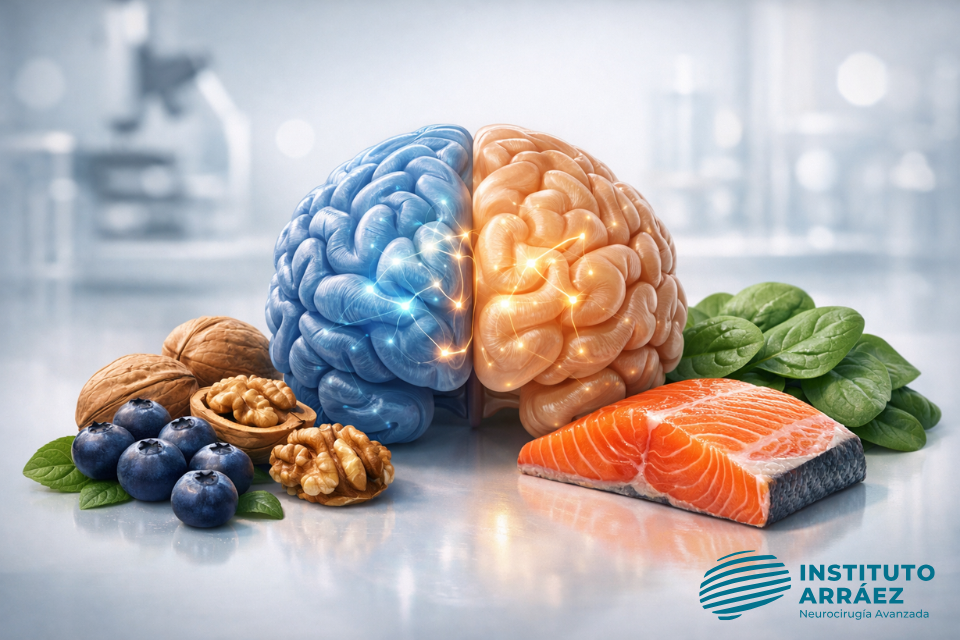
The health of the central nervous system is not an isolated event from lifestyle habits, but rather the result of constant interaction between genetics and the environment. Within the latter, nutrition emerges as one of the fundamental pillars for the preservation of cognitive reserve and the prevention of neurodegenerative pathologies. In the Arraez Institute, We understand that neurosurgery and advanced medicine must be complemented by a holistic view of the patient, in which nutrition plays a crucial protective role.
As life expectancy increases, the concern with keeping the brain agile and functional becomes a priority. It’s not just about preventing disease, but about optimizing the performance of an organ that consumes approximately 20% of the body’s total energy, despite accounting for only 2% of body weight. A proper diet not only provides the necessary fuel but also supplies the structural building blocks and neuroprotective agents the brain needs for long-term maintenance.
The best foods to boost memory and cognitive function
current scientific evidence indicates that certain dietary patterns, such as the Mediterranean diet and MIND diet (Mediterranean-DASH Intervention for Neurodegenerative Delay), are associated with a significant reduction in the risk of developing cognitive decline and Alzheimer's disease. These nutritional models focus on foods with high concentrations of antioxidants, essential fatty acids, and B vitamins.
- Omega-3 Fatty Acids: The Structural Component
The brain is, to a large extent, a fatty organ. Omega-3 fatty acids, especially docosahexaenoic acid (DHA), are essential components of neuron membranes. Regular consumption of oily fish (such as salmon, sardines, or mackerel), as well as plant-based sources like walnuts and flax seeds, promotes synaptic plasticity and reduces neuroinflammation. Recent studies suggest that optimal blood DHA levels correlate with increased volume in brain structures crucial for memory, such as the hippocampus.
- Antioxidants and polyphenols: shields against oxidative stress
Brain metabolism generates a large amount of free radicals, which can damage nerve cells if not neutralized. Berries (blueberries, strawberries, raspberries) are exceptionally rich in flavonoids, compounds that have been shown to cross the blood-brain barrier and accumulate in areas related to learning. Likewise, leafy green vegetables (spinach, Swiss chard, broccoli) provide vitamin K, lutein, and beta-carotenes, nutrients that slow cognitive aging.
- B Vitamins and Vascular Health
Homocysteine is an amino acid whose elevated blood levels have been linked to an increased risk of brain atrophy and dementia. Vitamins B6, B12, and folic acid (B9), found in legumes, eggs, and lean meats, are crucial for metabolizing homocysteine and maintaining the integrity of the blood vessels that supply the brain. Good vascular health is inseparable from good neurological health.
Recipes and meal plans for a healthy brain
Integrating these foods into your daily routine doesn't require drastic changes, but rather a conscious and sustained selection over time. The key lies in variety and in replacing ultra-processed products with fresh, seasonal foods.
- A Day of Neuroprotective Nutrition
To start the day, a breakfast combining slow-digesting carbohydrates with healthy fats is recommended. An ideal example would be a bowl of whole-grain oatmeal with fresh blueberries and a handful of walnuts. The oatmeal provides stable energy for the neurons, while the nuts provide the first boost of omega-3s for the day.
At lunchtime, the priority should be the inclusion of vegetables and high-quality proteins. A spinach salad with quinoa, avocado, and grilled salmon constitutes a complete meal from a neurological perspective. Avocado, rich in monounsaturated fats, promotes healthy blood flow, which is essential for brain oxygenation.
For dinner, a light option is suggested that will not interfere with sleep quality, as rest is when the brain performs its «cleaning» functions of toxins. A broccoli stir-fry with turmeric and tofu or free-range chicken is an excellent choice. Turmeric, thanks to its active component curcumin, has powerful anti-inflammatory properties that benefit neuronal health.
- The Role of Hydration and Lifestyle
You can't talk about brain nutrition without mentioning hydration. Water is the medium in which all of the brain's chemical reactions occur. Even mild dehydration can affect concentration, short-term memory, and mood. Supplementing your diet with moderate consumption of green tea or coffee (as long as there are no medical contraindications) can offer additional benefits thanks to their antioxidants and their ability to improve alertness.
Conclusion: Prevention as the main health strategy
Taking care of your diet is, in essence, an investment in your neurological future. Although genetics plays a role, studies show that lifestyle factors can significantly modify the expression of certain risks. At Arráez Institute, we encourage our patients to adopt these habits not as a temporary diet, but as a commitment to their overall well-being.
Modern neuroscience teaches us that the brain possesses an amazing capacity for adaptation, but this plasticity depends on the availability of the right nutrients. By choosing foods that protect your brain, you are strengthening your nervous system's natural defenses and promoting healthy cognitive longevity.